Unraveling Data Integration Barriers in Cross-Border Compliance Audits for Regulated Betting Operators
Nils Bennett · Oct 15, 2026
Unraveling Data Integration Barriers in Cross-Border Compliance Audits for Regulated Betting Operators
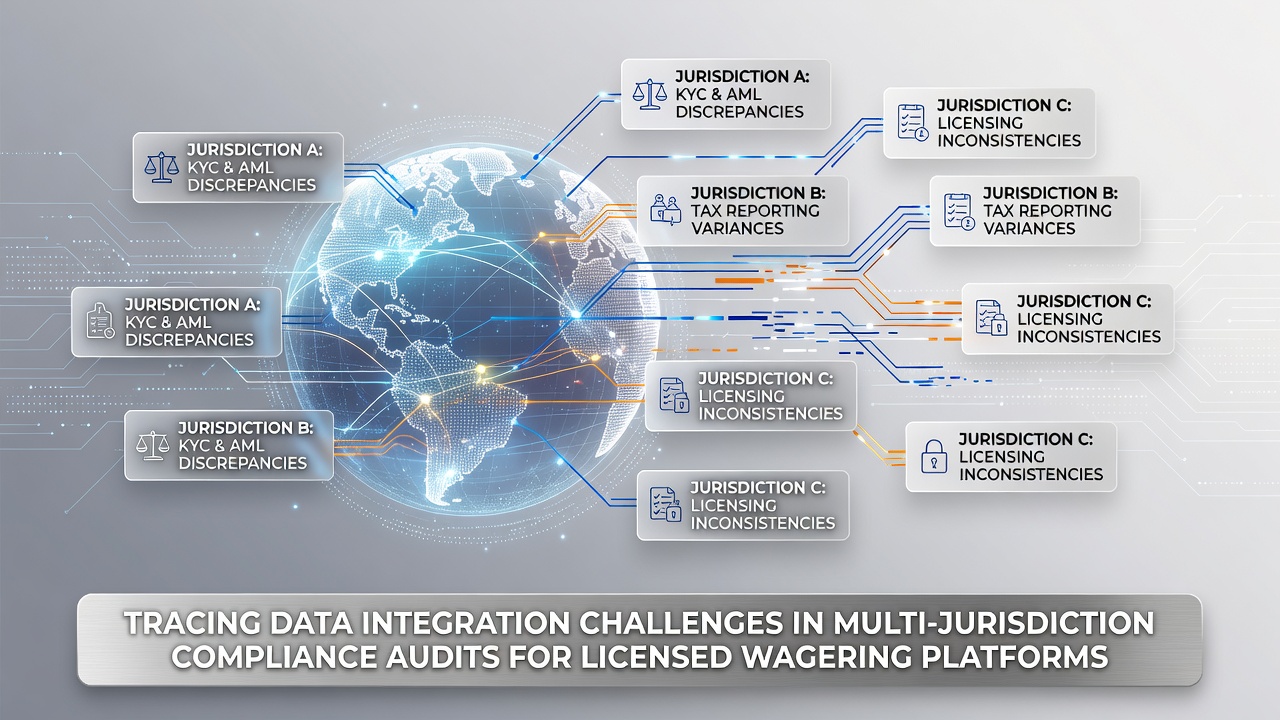
Operators managing licensed wagering platforms encounter substantial hurdles when data systems must satisfy overlapping requirements from separate regulatory bodies, and these difficulties intensify during compliance audits that span multiple jurisdictions because each authority maintains distinct data formats, retention rules, and verification protocols. Research from industry bodies shows that mismatches in API structures often prevent seamless transfer of transaction records, user verification details, and financial ledgers, while operators attempt to reconcile information from state-specific systems in the United States with those used in Canadian provinces and Australian territories. In October 2026 several large platforms reported extended audit timelines after discovering that real-time betting logs stored in one jurisdiction's cloud environment could not align automatically with batch-upload requirements imposed elsewhere.
Regulatory Divergence Creates Persistent Friction Points
Different regions enforce unique standards for data granularity, encryption methods, and audit trail completeness, which means a single platform operating across borders must maintain parallel data pipelines that feed into each authority's preferred format. Observers note that this setup leads to duplicated storage costs and increased risk of synchronization errors, particularly when one jurisdiction updates its schema without advance notice to operators. Figures from the American Gaming Association reveal that platforms handling multi-state operations spent an average of 18 percent more on compliance technology in 2025 compared with single-jurisdiction peers, largely due to these integration demands.
Those who manage audit preparation teams frequently cite the challenge of mapping equivalent data fields across jurisdictions, since one regulator may require separate tracking of bonus funds while another treats all balances as a single pool. This forces manual reconciliation steps that slow down the overall review process and raise the chance of human error during high-volume periods such as major sporting events.
Technical Infrastructure Limitations Surface During Reviews
Legacy systems originally built for single-market operations often lack the modular architecture needed to support simultaneous data feeds to multiple oversight bodies, and attempts to retrofit middleware solutions sometimes introduce latency that violates real-time reporting windows. Experts have observed that when an audit request arrives from a second jurisdiction, the existing data warehouse may already be optimized for the first, resulting in incomplete exports or corrupted timestamps that require additional validation rounds. Platforms that invested early in standardized data lakes report fewer interruptions, yet many mid-sized operators continue to rely on patched-together solutions that complicate cross-border verification.
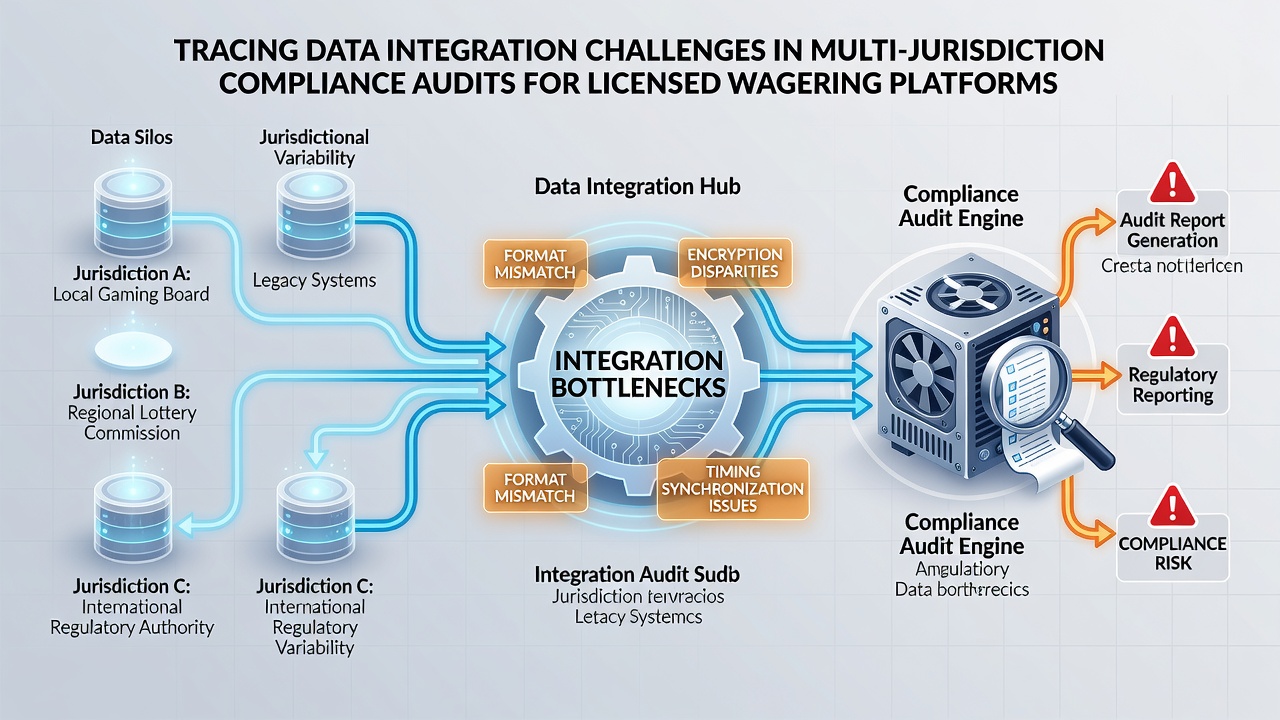
What's notable is how privacy regulations add another layer of complexity, because consent management records collected under one set of rules may not transfer cleanly when another jurisdiction demands different anonymization standards. Researchers studying these patterns found that operators must maintain separate consent ledgers that auditors then cross-check against transaction histories, a process that becomes error-prone without automated mapping tools.
Case Examples Highlight Recurring Patterns
One documented review involving platforms active in both Nevada and Ontario demonstrated that discrepancies in how wager settlement times were recorded delayed final sign-off by several weeks, since the two regulators used different time-zone normalization rules for the same events. Another instance showed that a European operator expanding into additional markets struggled to merge its existing GDPR-compliant logs with newer requirements from an Asian regulatory body that demanded full IP address retention for every session. These examples illustrate how seemingly minor differences in data definitions accumulate into major audit delays when integration layers remain incomplete.
Industry reports indicate that the Alcohol and Gaming Commission of Ontario has increased its scrutiny of cross-jurisdictional data flows in recent years, requiring operators to demonstrate end-to-end traceability that spans every system component involved in bet placement and payout processing. Such demands push platforms toward unified data models, although achieving this level of consistency across all active markets remains resource-intensive.
Emerging Approaches and Ongoing Adjustments
Some operators now deploy centralized compliance hubs that normalize incoming data streams before routing jurisdiction-specific subsets onward, yet these hubs require continuous maintenance to accommodate regulatory updates. Data from academic studies on gaming technology adoption shows that platforms using cloud-based orchestration tools reduced reconciliation time by measurable margins compared with on-premise alternatives, although initial setup costs remain a barrier for smaller licensees. Those who've studied the sector note that collaboration between technology vendors and regulators has produced draft standards for certain data elements, but widespread adoption still depends on coordinated policy changes across borders.
Conclusion
Multi-jurisdiction compliance audits continue to expose gaps in data integration for licensed wagering platforms because regulatory requirements evolve independently while technical systems must accommodate every overlapping rule simultaneously. Operators address these issues through incremental upgrades to middleware, centralized logging architectures, and closer coordination with each authority's technical teams, yet the underlying challenge of maintaining consistent, auditable records across borders persists as new markets open and existing frameworks receive periodic revisions. The pattern observed through 2026 indicates that platforms investing in flexible data architectures encounter fewer disruptions during reviews, while those relying on fragmented legacy setups face repeated reconciliation hurdles.