Regulatory Mandates Reshaping Interface Elements Across Legal Betting Platforms
Tina Vogel · Oct 1, 2026
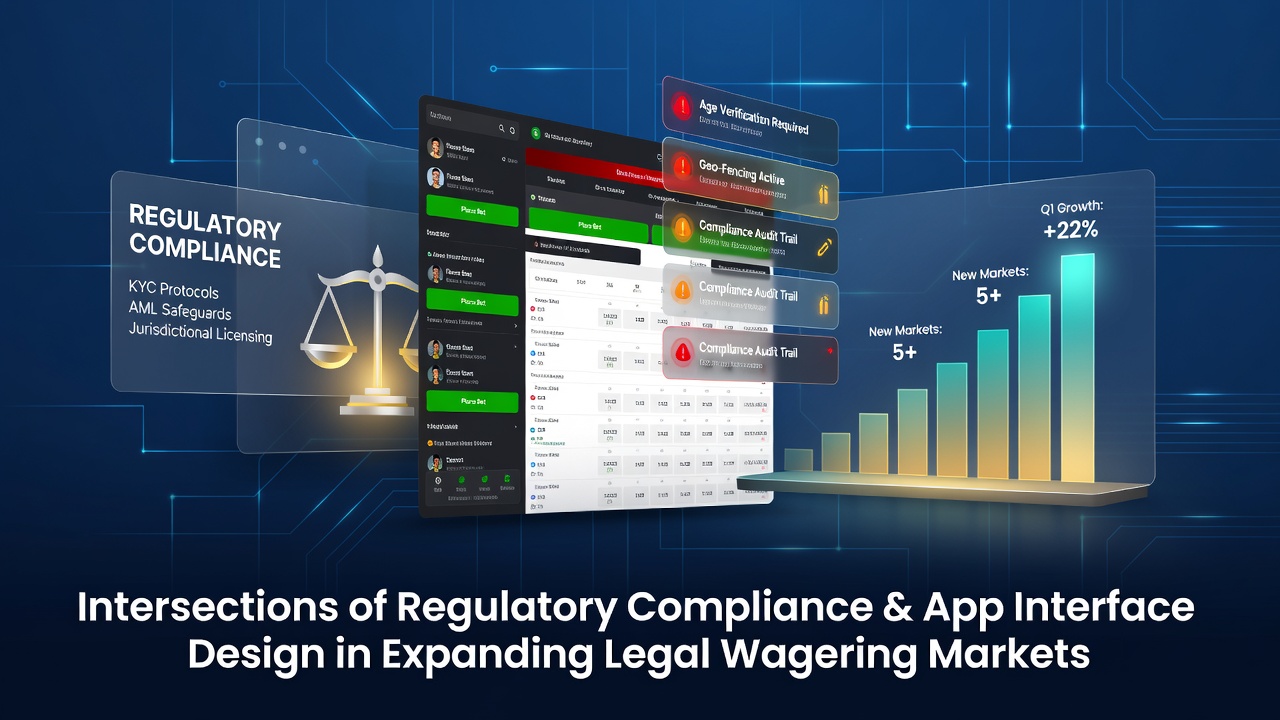
Regulatory Mandates Reshaping Interface Elements Across Legal Betting Platforms
Legal wagering markets continue to expand in multiple jurisdictions throughout 2026, and operators must align app interfaces with evolving compliance rules that govern verification, fund handling, and user protections. These requirements directly influence how screens load, what buttons appear, and where users encounter mandatory prompts during sessions. Data from state regulatory filings shows that platforms operating in newly authorized regions often revise their onboarding sequences within weeks of license approvals to meet location-specific mandates.
Verification Layers and Screen Flow Adjustments
App designers incorporate multi-step identity checks that surface immediately after registration, since regulations in states such as New Jersey and Pennsylvania demand real-time document uploads and biometric matches. These steps appear as sequential modals rather than optional side menus, because regulators require documented completion rates above set thresholds. Observers note that delays introduced by these layers have prompted teams to add progress indicators and save states so users can resume without restarting the entire process.
October 2026 marks the scheduled rollout of updated verification standards in several Midwestern markets, where new statutes call for enhanced facial matching tied to government ID databases. Interface teams respond by embedding camera access requests at natural pause points instead of upfront, which reduces abandonment while still satisfying audit trails required by oversight bodies.
Responsible Gambling Tools Embedded in Daily Use
Deposit limit selectors, session timers, and self-exclusion toggles now occupy prominent positions within account dashboards because statutes in expanding regions mandate visible access without requiring users to navigate through multiple submenus. Research from the National Center for Responsible Gaming indicates that placement near fund management screens increases voluntary limit-setting activity compared with buried settings. Designers therefore position these controls alongside balance displays, using consistent iconography across devices to maintain recognition.
Push notifications for time or spend reminders follow strict formatting rules outlined by various gaming authorities, and apps display opt-out options in the same alert window to avoid claims of intrusive messaging. One study of user behavior patterns revealed that concise, non-alarmist language in these alerts correlates with higher continued engagement rates while still meeting disclosure obligations.

Geolocation and Cross-Border Interface Logic
Legal markets operate under strict geographic boundaries, so interfaces include repeated location checks that trigger when users cross state lines or during extended sessions. These checks appear as non-dismissible overlays rather than background processes because enforcement agencies require affirmative user acknowledgment. Developers integrate map-based confirmations in certain regions to show the precise boundary users must remain within, satisfying both technical audits and consumer transparency rules.
Platforms serving multiple states maintain separate skin configurations that activate based on detected IP and GPS data, which means menu labels, available bet types, and tax disclosure language shift automatically. This dynamic approach prevents regulatory violations while preserving a unified brand experience across jurisdictions.
Transparency Requirements and Data Presentation
Regulations increasingly require clear display of odds calculation methods, house-edge percentages, and withdrawal timelines directly within bet-slip views. According to reports from the American Gaming Association, such disclosures reduce disputes and support consumer trust metrics tracked by state commissions. Designers therefore allocate dedicated screen real estate for expandable sections that explain probabilities without interrupting the primary betting flow.
Privacy policies and data-handling summaries receive similar treatment, with links placed at every login and transaction confirmation point. Canadian provincial regulators, for instance, have emphasized that users must encounter these summaries before any personal information collection begins, leading to standardized footer elements that expand into full policy text on demand.
Conclusion
Interface decisions in legal wagering applications now arise from direct collaboration between compliance officers, regulatory consultants, and UX specialists who review each screen against current statutes. As additional jurisdictions authorize operations, these teams continue to refine layouts that satisfy documentation demands while supporting fluid user movement through registration, funding, and play stages. The result appears in apps that surface required elements at predictable moments yet keep core wagering functions accessible across devices and regions.